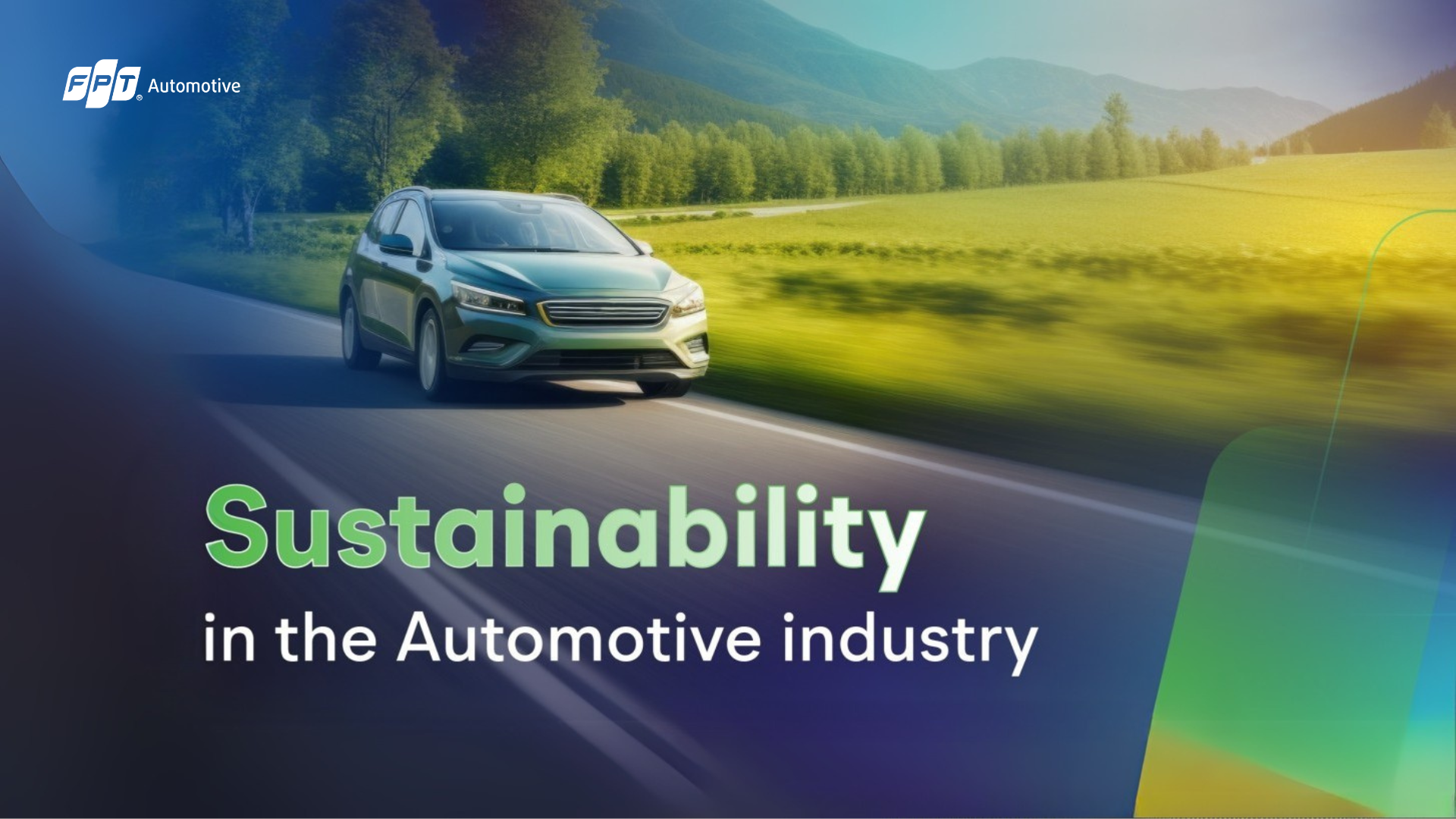
The automotive industry is undergoing a significant transformation, with the Internet of Things (IoT) at the forefront of this evolution. By enabling vehicles to communicate with each other and external systems, IoT is enhancing safety, efficiency, and the overall driving experience.
The Rise of Connected Vehicles
Connected cars, equipped with internet access and the ability to interact with various devices, are becoming increasingly prevalent. Projections indicate that by 2025, there will be over 400 million connected cars in operation, up from approximately 237 million in 2021.
This surge is driven by advancements in 5G technology, which provide faster and more reliable communication channels. These developments enable vehicles to receive over-the-air updates, integrate with smart home systems, and offer enhanced navigation and infotainment services.
The global automotive IoT market is experiencing rapid growth. Valued at USD 131.2 billion in 2023, it is projected to reach USD 322.0 billion by 2028, growing at a compound annual growth rate (CAGR) of 19.7%.
Consumer interest in connected services is rising, with a focus on features like real-time traffic updates, vehicle diagnostics, and personalized infotainment. However, willingness to pay for these services varies across regions, with higher acceptance in markets like China and India compared to the United States and Europe.
Challenges and Considerations
Despite the promising outlook, integrating IoT into vehicles presents challenges:
- Cybersecurity Risks: Connected vehicles are susceptible to cyberattacks, necessitating robust security measures to protect data and ensure passenger safety.
- Data Privacy: The collection and use of personal data raise concerns about privacy, requiring transparent policies and compliance with regulations.
- Infrastructure Development: The effectiveness of connected vehicles depends on the availability of supporting infrastructure, such as 5G networks and smart traffic systems, which are still under development in many regions.
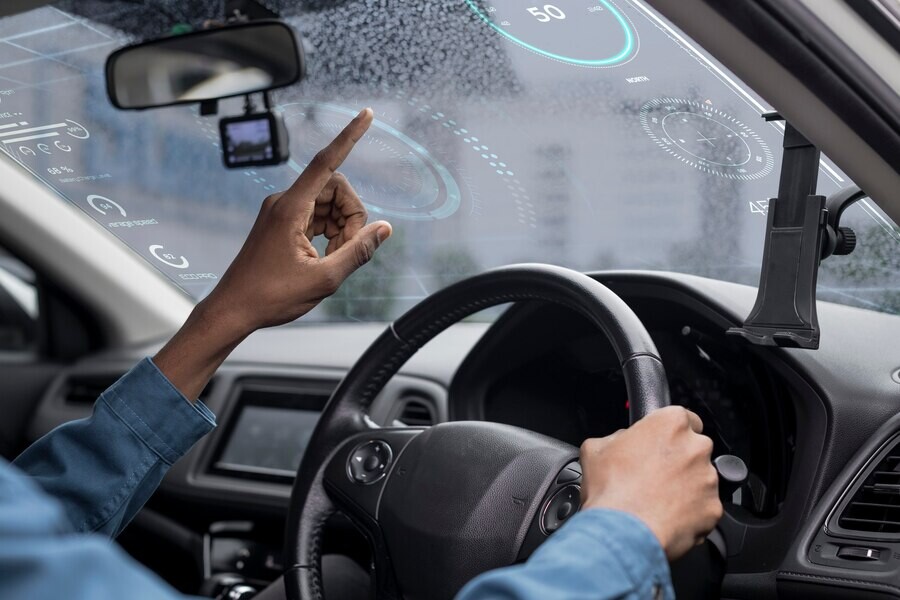
What’s new with FPT Automotive ?
We provide comprehensive IoT solutions that enhance vehicle connectivity and intelligence:
- Vehicle-to-Everything (V2X) Communication: Facilitates real-time data exchange between vehicles and infrastructure to improve traffic management and safety.
- Telematics Services: Offer insights into vehicle performance and driver behavior, aiding in fleet management and personalized user experiences.
- Over-the-Air (OTA) Updates: Enable remote software updates, ensuring vehicles remain up-to-date with the latest features and security patches.
- Advanced Driver-Assistance Systems (ADAS): Utilize IoT data to support features like adaptive cruise control and lane-keeping assistance, enhancing driver safety.
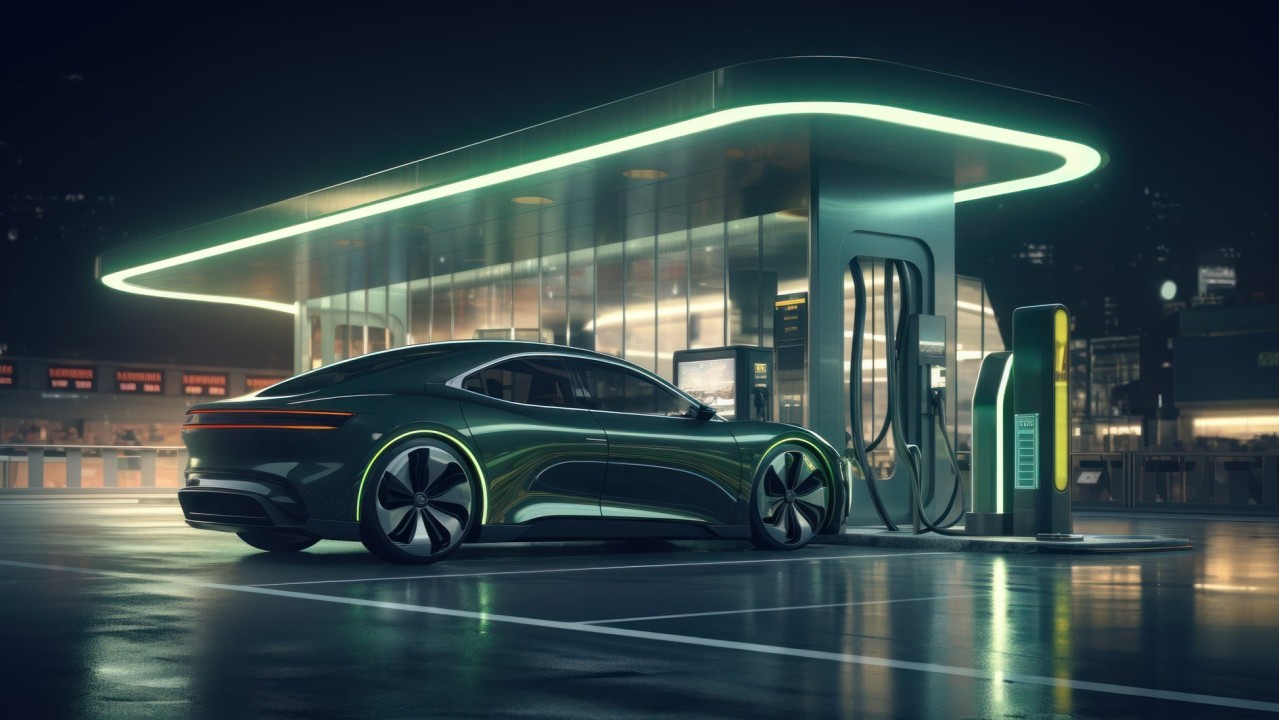
- Electric Vehicle (EV) Integration: Support the connection of EVs to smart grids, optimizing charging processes and energy consumption.
By leveraging these offerings, FPT Automotive is at the forefront of driving innovation in the connected vehicle landscape, contributing to a safer, more efficient, and enjoyable driving experience.
Conclusion
The integration of IoT into the automotive industry is revolutionizing how vehicles operate and interact with their environment. As the number of connected cars continues to rise, addressing challenges related to security, privacy, and infrastructure is crucial. Companies like FPT Automotive are leading the way by providing innovative solutions that harness the power of IoT to transform mobility.
Source:
- Statista, Connected cars worldwide – statistics & facts, 2023
- Markets and Markets, Automotive IoT Market Size, Share & Growth, 2024
- Deloitte, 2024 Global Automotive Consumer Study, Tracking consumer trends in the automotive industry, 2024
 22-01-2025