


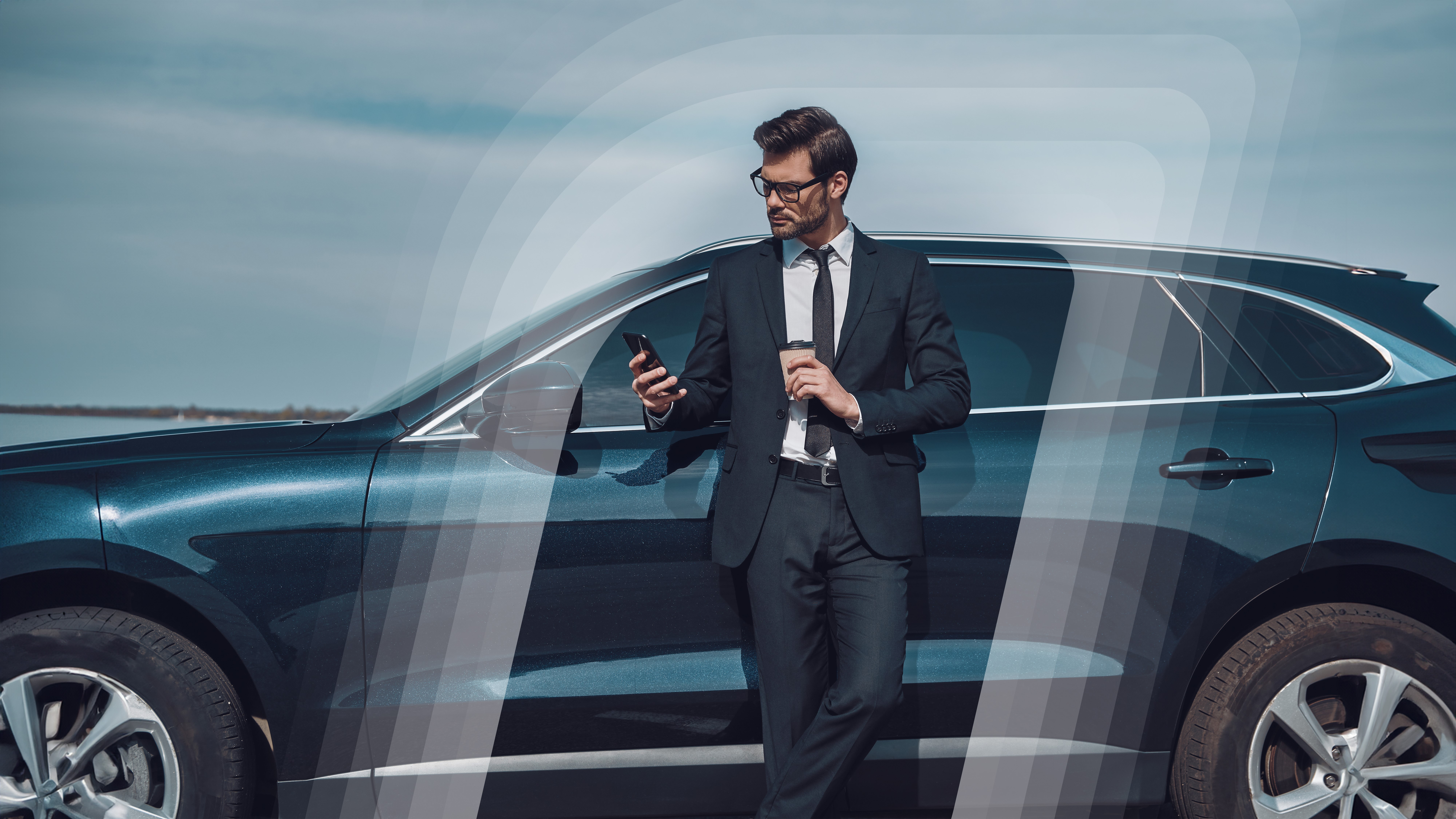
We’re living in the new automotive revolution, with a growing demand for enhanced connectivity and the proliferation of smart technologies. Global market research estimates connected cars could reach $225.16 billion by 2027, growing at a CAGR of 17.1% from 2020 to 2027. By 2025, over 70% of new vehicles will be equipped with connectivity solutions, especially with V2X capabilities, including Vehicle-to-Vehicle (V2V) and Vehicle-to-Infrastructure (V2I) communication.
Technologies for Driving Connected Vehicles
Seamless connectivity and enhanced functionalities are the most-wanted features of connected vehicles.
- 5G Networks: High-speed and low-latency connections are the must-have conditions for real-time data exchange between vehicles and infrastructure.
- Edge Computing: Edge computing reduces latency by processing data closer to the source, making faster decisions, and boosting the driving systems.
- Artificial Intelligence (AI): AI is bringing on various applications, including predictive maintenance, personalized in-car experiences, and advanced driver assistance systems (ADAS).
- Internet of Things (IoT): IoT devices and sensors collect and transmit data, enabling features such as remote diagnostics, over-the-air (OTA) updates, and vehicle tracking.
Cybersecurity Threats
Cybersecurity is more and more crucial to avoid any risk of threats, including data breaches, malware attacks, and unauthorized access to vehicle control systems.
Manufacturers are taking a bigger interest than ever in ensuring the safety and security of connected vehicles. Any cyberattacks will harm vehicle safety, leading to accidents, theft, and unauthorized data access. Encryption, intrusion detection systems, and secure communication protocols are now added to the latest models by automotive manufacturers and cybersecurity firms.
Vehicles as “Phones on Wheels”
“Phones on Wheels” is the new notion of a software-defined vehicle featuring similar applications found in modern smartphones. While driving connected cars, customers can also enjoy a number of utilities and services, including navigation, streaming, and real-time traffic updates.
Intuitive interfaces, voice assistants, and personalized settings are now becoming the new standard to help upgrade the user experience. Over-the-air (OTA) software updates also keep vehicles up-to-date with the latest features and security patches.
What’s Next in the Automotive Evolution?
Let’s expect some big evolutions in automotive in the near future:
1. Digital Twins: A virtual replica of a physical vehicle will not only allow real-time monitoring and simulations but also predict maintenance needs, optimize performance, and enhance safety by simulating potential scenarios and responses.
- Blockchain for Data Security: Blockchain technology ensures data integrity and privacy, which is crucial for transactions like V2V communication and secure OTA updates.
- In-Car Augmented Reality (AR): By overlaying navigation information, hazard alerts, and points of interest directly onto the windshield, AR can improve driver awareness and safety.
- Vehicle-to-Grid (V2G) Integration: With V2G integration, cars can now charge or discharge batteries according to the needs, demand, and capacity of an electrical network.
- Emotion-Detecting AI: Advanced AI systems can detect drivers’ emotions, such as stress or fatigue, then add a relaxing environment or suggest a break for the well-being and safety of the customers.
The growing demand in the automotive market brings connected vehicles to the heart of the industry, featuring advanced technology to improve the user experience and cybersecurity. The future of connected vehicles, as we can name it “Phone on Wheels,” is always promising. By adding various technologies like digital twins, blockchain, AR, V2G integration, and emotion-detecting AI, all will make the cars safer, more efficient, and highly personalized.

 10-12-2024


