



In recent years, the automotive industry has undergone a profound shift toward sustainability, with innovation, technology, and policy aligning to reshape how vehicles are built, powered, and maintained. Here’s how this transformation is taking place:
Battery Innovation and Smarter Applications
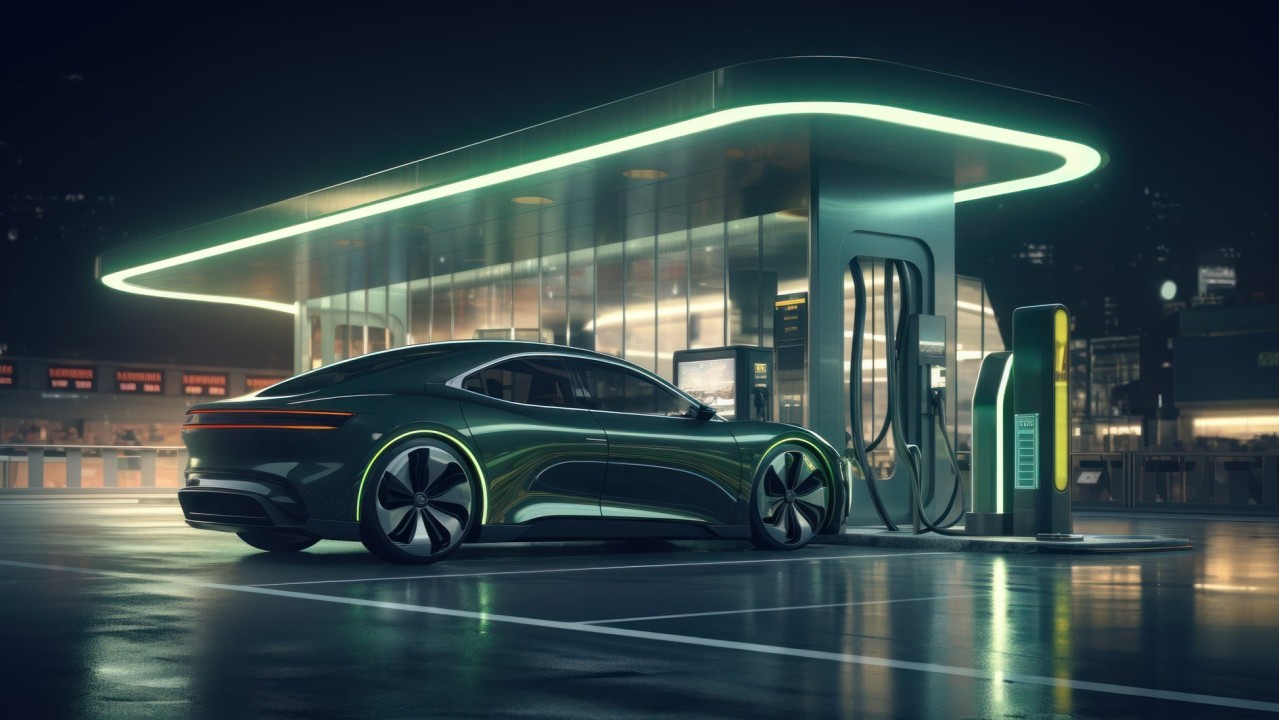
Battery technology has advanced rapidly, extending the range and efficiency of Electric Vehicles (EVs). Innovations like solid-state batteries promise higher energy density and faster charging, addressing range anxiety. At the same time, new apps and AI-powered tools help drivers locate charging stations and optimize energy-efficient routes.
According to BloombergNEF, the cost of lithium-ion batteries has dropped by 89% since 2010, bringing EVs closer to cost parity with combustion-engine vehicles.
Sustainable Materials and Advanced Manufacturing
Carmakers are increasingly adopting eco-friendly materials and sustainable manufacturing processes:
- Plant-based textiles and recycled plastics are reducing emissions and waste.
- 3D printing is revolutionizing production, cutting material waste by up to 90% while allowing for lightweight, customizable components.
For example, BMW now uses recycled steel to lower carbon emissions during vehicle manufacturing, showcasing a commitment to greener production.
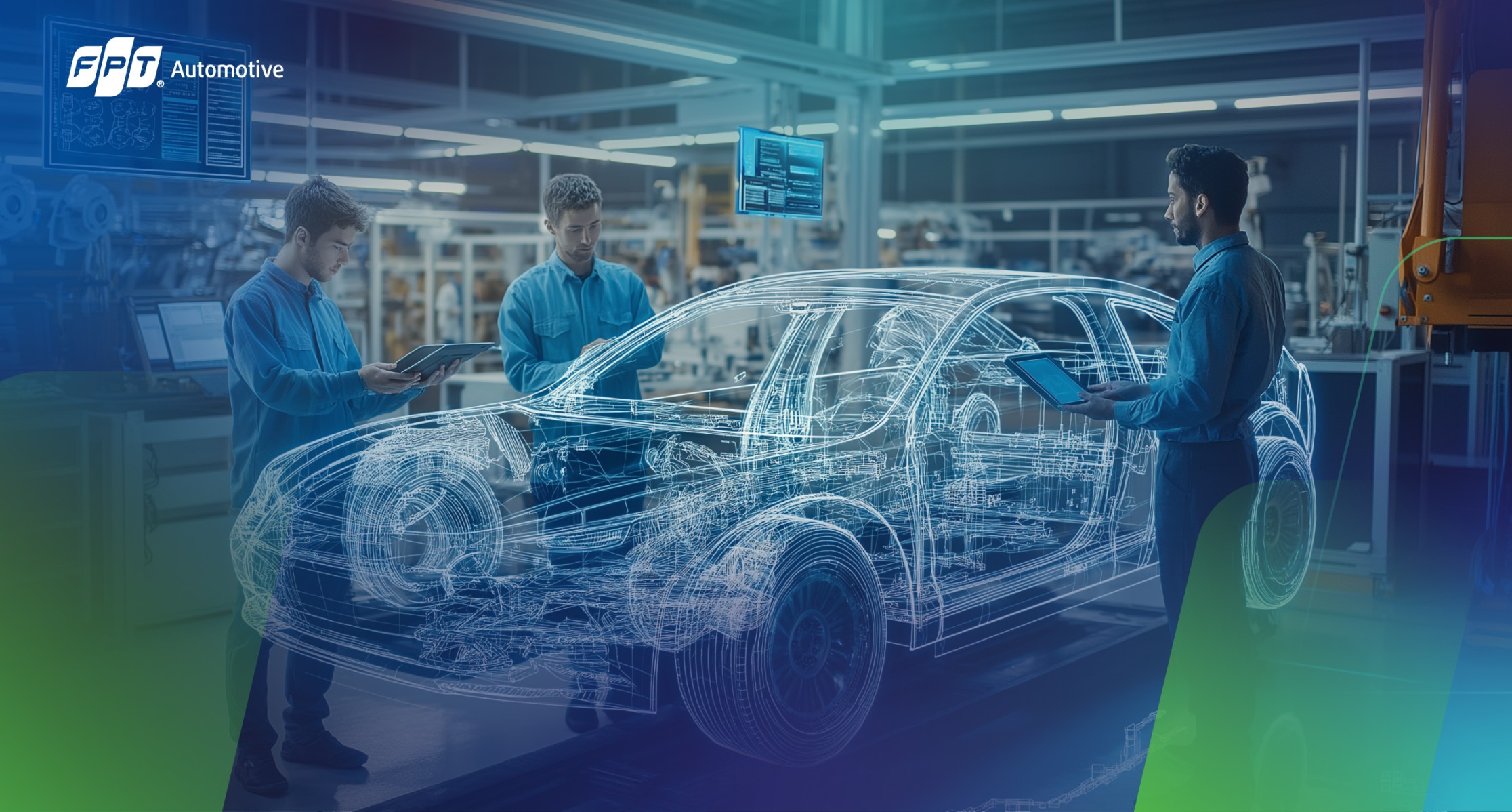
AI Technology: Enhancing Efficiency
Artificial Intelligence plays a critical role in automotive sustainability by optimizing processes and enhancing energy efficiency.
- AI enables predictive maintenance, detecting faults early to minimize material waste and downtime.
- AI-driven energy management systems help EVs perform efficiently in real-world conditions, reducing battery consumption.
According to a PwC study, AI-based solutions can reduce automotive production emissions by up to 20%.
Policies Pushing for Greener Energy
Government policies worldwide are driving the shift to sustainable mobility:
- The EU plans to ban sales of new combustion-engine cars by 2035.
- The US targets 50% of new car sales to be electric by 2030.
- China, the world’s largest EV market, leads the way with aggressive subsidies and infrastructure investments to accelerate EV adoption.
These policies fuel innovation, infrastructure expansion, and market growth, driving global adoption of greener energy solutions.
EV Trends: A Booming Market
EV adoption has surged in recent years. According to the IEA, EVs accounted for 18% of global car sales in 2023, with projections showing steady growth into 2024.
Automakers such as Tesla, Volkswagen, and BYD continue to expand their EV offerings, while investments in smart grids and charging infrastructure ensure seamless integration of EVs into everyday life.
The Greener Path to Look Ahead
Sustainability is no longer an option—it’s a necessity. Innovations in batteries, AI, and materials are not just shaping the future of vehicles but redefining how we experience mobility. With government policies and EV trends pushing us toward a greener future, the automotive industry is leading the charge in creating a cleaner, smarter, and more sustainable world.
Are you ready to embrace this green revolution? 🌍✨
References:
- Bloomberg NEF, Electric Vehicle Outlook 2024, 2024
- McKinsey & Co., The battery chemistries powering the future of electric vehicles, 2024
- BMW Group, BMW Group Sustainability Report, 2024
- IEA, Global EV Outlook 2023, 2023
- European Parliament, EU ban on the sale of new petrol and diesel cars from 2035 explained, 2022
- The White House, FACT SHEET: President Biden Announces Steps to Drive American Leadership Forward on Clean Cars and Trucks, 2023
 22-01-2025


