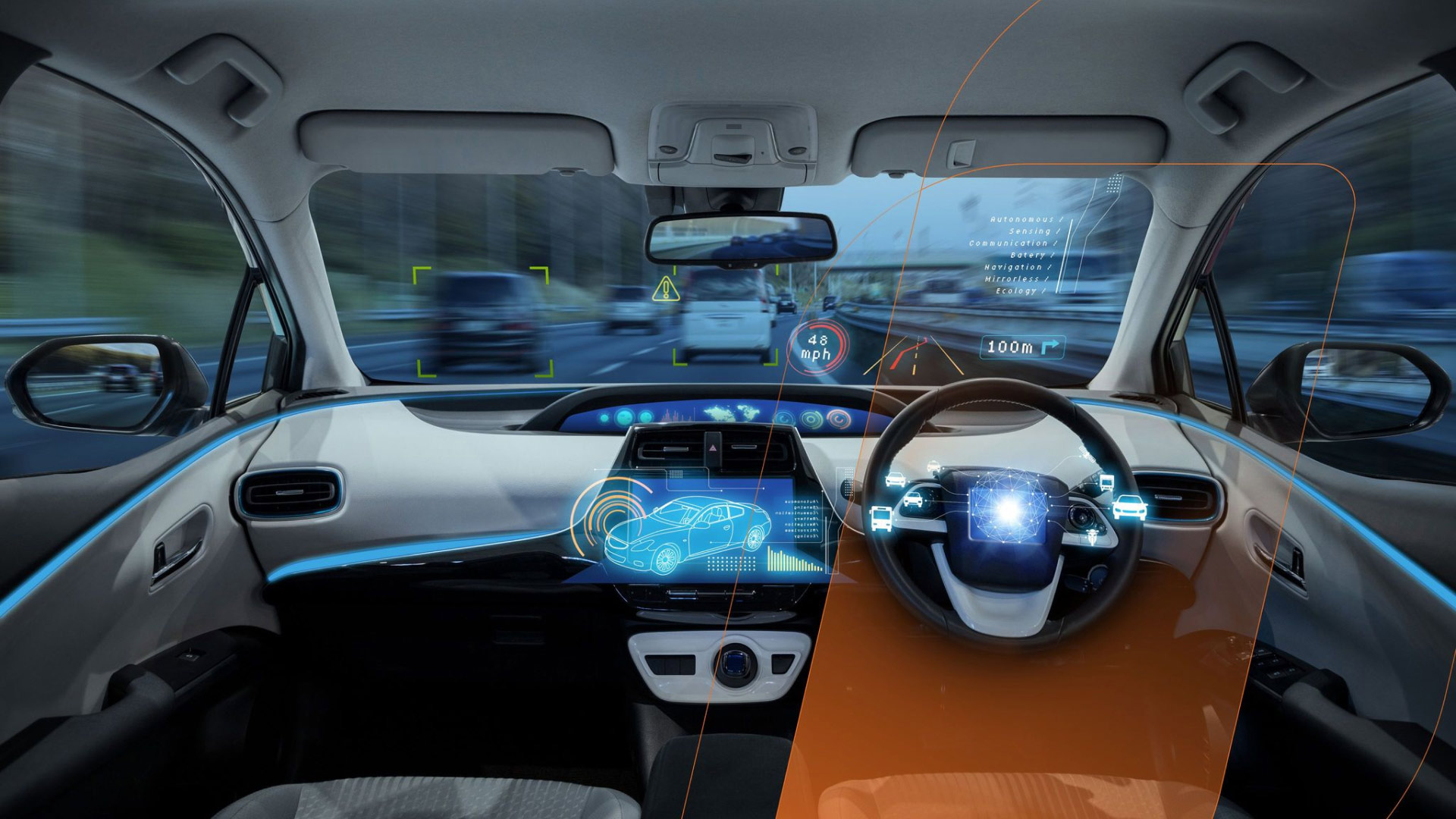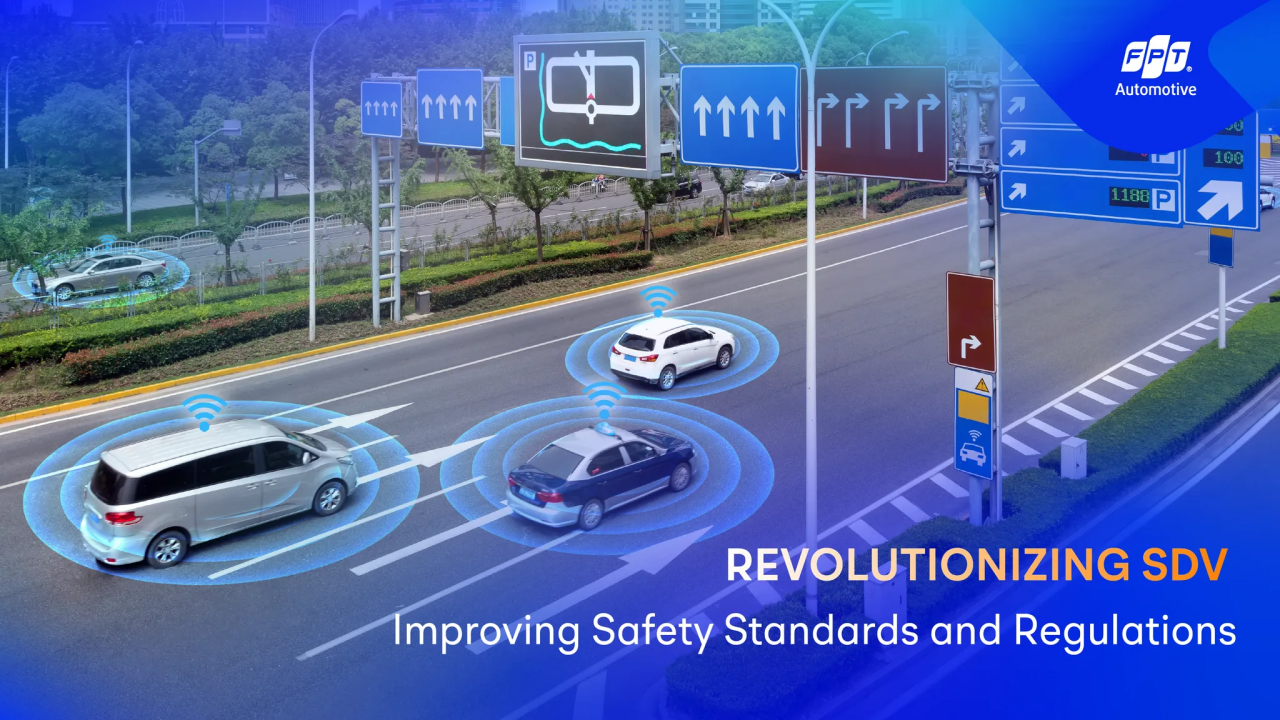

The automotive industry is undergoing a rapid transformation, driven by advancements in software technologies that are reshaping safety standards and regulations. This evolution is particularly evident in areas such as Advanced Driver-Assistance Systems (ADAS), Service-Oriented Vehicle Diagnostics (SOVD), and the Internet of Things (IoT). This article explores the swift progression of the automotive sector, the impact of software on safety, recent regulatory changes, and future technological predictions.
Rapid Evolution of the Automotive Industry
In recent years, the automotive industry has experienced unprecedented growth and innovation. Global motor vehicle production increased by approximately 10.3% between 2022 and 2023 (Global NCAP). As of November 2024, the global automotive software market has demonstrated robust growth. The market size is estimated at USD 10.07 billion in 2024 and is expected to reach USD 29.30 billion by 2029, growing at a CAGR of greater than 22% during the forecast period (2024-2029) (Mordor Intelligence).
The market for Software-Defined Vehicles (SDVs) is expanding rapidly, with projections indicating that the global automotive software and electronics market will surpass $460 billion by 2035 (McKinsey). This growth underscores the increasing reliance on software to drive innovation and meet consumer demands for smarter, safer, and more connected vehicles.
Impact of Software on Automotive Safety
The integration of sophisticated software systems has significantly influenced automotive safety standards. Advanced Driver-Assistance Systems (ADAS), for instance, utilize software to provide features such as automatic emergency braking, lane-keeping assistance, and adaptive cruise control. These technologies have been instrumental in reducing accidents and enhancing driver safety (Business Insider).
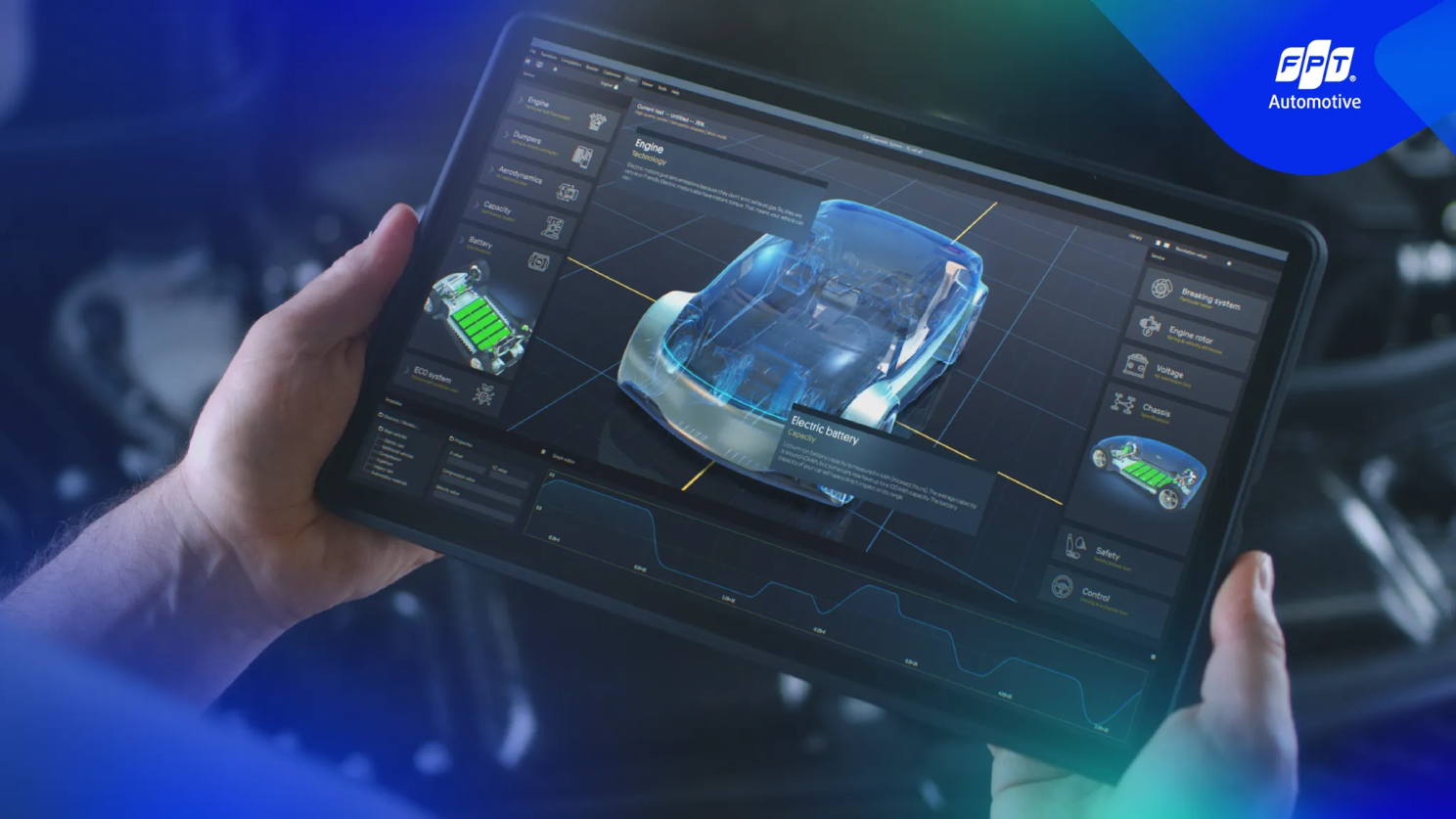
Service-Oriented Vehicle Diagnostics (SOVD) represent another critical advancement. SOVD systems enable real-time monitoring and diagnostics of vehicle components, allowing for predictive maintenance and early detection of potential issues. This proactive approach to vehicle health management enhances safety by preventing malfunctions that could lead to accidents. (FPT Automotive)
By 2030, the average connected vehicle could ship with nearly 300 million lines of code in its software systems. The UNECE W.29 regulations and the ISO/SAE 21434 standard provide the rules and engineering guidelines for connected vehicles to manage and mitigate cybersecurity risks, detect threats, and respond with secure software updates. (Autodesk)
The Internet of Things (IoT) has further revolutionized automotive safety by facilitating vehicle-to-everything (V2X) communication. IoT-enabled vehicles can communicate with each other and with infrastructure, providing real-time data on traffic conditions, hazards, and other critical information. This connectivity enhances situational awareness and enables drivers to make informed decisions, thereby improving road safety.
Recent Regulatory Changes Influenced by Automotive Software
The rapid advancement of automotive software has prompted regulatory bodies worldwide to update safety standards and implement new regulations. In the European Union, new safety regulations mandate the inclusion of ADAS features in all new vehicles. As of July 2022, systems such as intelligent speed assistance, reversing detection, and driver drowsiness warnings became compulsory, aiming to reduce accidents and enhance road safety.
In the United States, the National Highway Traffic Safety Administration (NHTSA) has proposed regulations requiring all new vehicles to be equipped with automatic emergency braking (AEB) systems capable of functioning at speeds up to 62 mph by 2029. This initiative is expected to prevent thousands of accidents and save numerous lives annually (Business Insider).
Recently in 2024, the European Commission has mandated vehicle safety regulations including higher crash-test standards; driving-speed assistance from real-time GPS; advanced sensors for cyclist and pedestrian safety; data recorders that monitor performance and submit data after accidents for future safety improvements; and ADAS for driver monitoring, land departure warnings, and autonomous emergency braking. (EC)
Additionally, the increasing integration of IoT in vehicles has led to the development of cybersecurity regulations to protect against potential threats. Regulatory bodies are establishing standards to ensure that connected vehicles are secure from cyberattacks, thereby safeguarding both vehicle functionality and occupant safety. (Softeco)
Predictions for Future Technologies
Looking ahead, several emerging technologies are poised to further enhance automotive safety:
- Autonomous Vehicles: The development of fully autonomous vehicles is progressing, with companies investing heavily in AI and machine learning to create self-driving cars capable of operating safely without human intervention. These vehicles are expected to reduce human error, a leading cause of accidents, thereby improving road safety. (Motortrend)
- Enhanced V2X Communication: Advancements in IoT will lead to more sophisticated V2X communication systems, enabling vehicles to interact seamlessly with each other and with infrastructure. This connectivity will facilitate real-time traffic management, hazard detection, and efficient navigation, contributing to safer and more efficient transportation networks. (AB Dynamics)
- Advanced Predictive Maintenance: Future SOVD systems will leverage AI to predict and address potential vehicle issues before they occur. By analyzing data from various sensors, these systems can schedule maintenance proactively, preventing breakdowns and enhancing vehicle reliability and safety. (Global Trade)
- Cybersecurity Enhancements: As vehicles become more connected, ensuring robust cybersecurity measures will be paramount. Future regulations and technologies will focus on protecting vehicles from cyber threats, ensuring that software systems are secure and that vehicle operations remain safe and reliable. (KPMG)
So can we now say the rapid evolution of automotive software is fundamentally transforming safety standards and regulations? The integration of advanced software systems in vehicles has led to significant improvements in safety features, prompting regulatory bodies to update standards to keep pace with technological advancements.
As the industry continues to innovate, emerging technologies such as autonomous vehicles, enhanced V2X communication, advanced predictive maintenance, and strengthened cybersecurity measures will play crucial roles in shaping the future of automotive safety.
Source:
- Exploring Car Safety Statistics Over Time: A Journey Through Key Improvements and Trends, Car Trucks Roads, 2024
- This is how car safety has improved over the past 60 years, World Economic Forum, 2021
- A year of Electric Vehicle and Mobility Trends, McKinsey, 2024
- Artificial Intelligence Applied in Smart Electric Vehicles: Towards Eco-Driving for Improved Energy Economy, MDPI, 2024
- Innovations In Car Tech Have Saved Countless Lives, GoodGoodGood, 2021
- Automotive Intelligence Embedded in Electric Connected Autonomous and Shared Vehicles Technology for Sustainable Green Mobility, Frontiers, 2021
- Future Trends in Smart Green IoV: Vehicle-to-Everything in the Era of Electric Vehicles, IEEE, 2024
- V2X – a game-changing technology to improve road safety, AB Dynamics, 2023

 10-12-2024