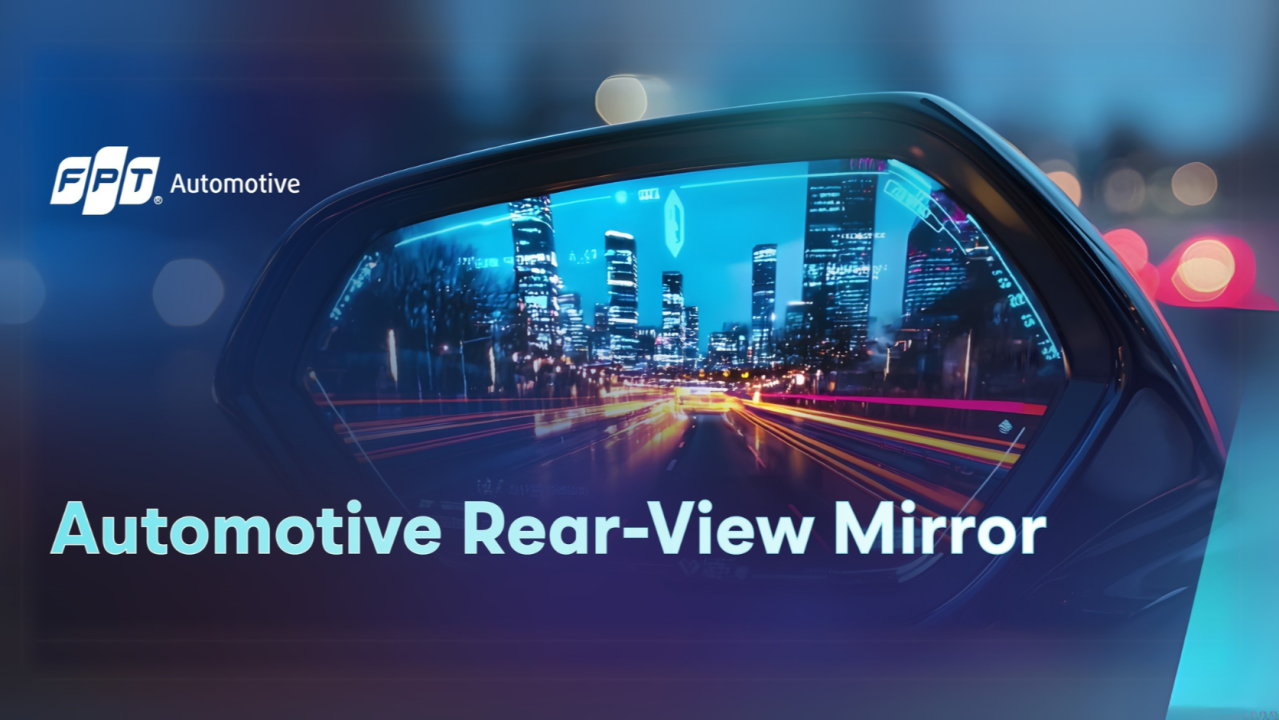

In recent years, the automotive industry has witnessed a significant shift from traditional mirrors to advanced digital systems, known as Camera Monitor Systems (CMS). This innovation replaces conventional rearview and side mirrors with cameras and displays, offering enhanced visibility, improved safety, and aerodynamic benefits.
Traditional mirrors have been integral to vehicle design for decades, providing drivers with essential rear and side views. However, they come with limitations such as blind spots, glare, and restricted fields of view. To address these challenges, manufacturers have developed CMS, which utilize cameras to capture external views and display them on interior screens. This technology not only mitigates the drawbacks of traditional mirrors but also introduces new functionalities.
For instance, Continental’s ProViu® Mirror system offers high-definition images, enhancing visibility in various driving conditions. This system replaces traditional wing mirrors with integrated cameras, providing drivers with a clearer and broader perspective.
Advantages of Digital Rearview Systems
The adoption of digital rearview mirrors presents several benefits:
- Enhanced Visibility: Digital systems provide a wider field of view, reducing blind spots and offering better visibility during adverse weather conditions. High-definition cameras capture clearer images, improving driver awareness.
- Improved Safety: By eliminating blind spots and reducing glare, digital mirrors contribute to safer driving experiences. Features like night vision and real-time image processing further enhance safety.
- Aerodynamic Efficiency: Replacing external mirrors with compact cameras reduces aerodynamic drag, leading to improved fuel efficiency and reduced wind noise. This design change contributes to the overall performance and efficiency of the vehicle.
Industry Adoption and Innovations
Several automotive manufacturers have embraced mirrorless technology:
- Ficosa: Pioneered digital mirror systems in 2018 and continues to expand in this segment, offering solutions for various vehicle markets.
- Gentex: Developed the Full Display Mirror®, an intelligent rear-vision system that uses a custom camera and mirror-integrated video display to optimize a vehicle’s rearward view.
- HARMAN: Introduced the E-mirror, a camera and display combination that enhances visual awareness by providing valuable information such as distance to other vehicles or speed.
Challenges and Considerations
The transition to digital rearview systems is evident but can’t deny challenges:
- Regulatory Approvals: Adoption varies by region, with some countries requiring traditional mirrors due to safety regulations. However, regions like Europe and Japan have approved mirrorless cars, paving the way for broader acceptance.
- Consumer Acceptance: Drivers accustomed to traditional mirrors may be hesitant to adopt new technology. Education and demonstration of benefits are crucial for widespread acceptance.
- Technical Reliability: Ensuring the durability and reliability of cameras and displays under various environmental conditions is essential for safety and consumer trust.
Future Outlook
The trend toward digital rearview systems is expected to grow as technology advances and regulatory frameworks evolve. Continuous improvements in camera resolution, display quality, and system integration will further enhance the appeal of mirrorless vehicles. As manufacturers address current challenges, digital rearview mirrors are poised to become standard in future vehicle designs, offering drivers a safer and more efficient driving experience.
So, the shift from traditional mirrors to digital rearview systems represents a significant innovation in automotive design. By enhancing visibility, improving safety, and contributing to aerodynamic efficiency, mirrorless technology is set to play a pivotal role in the future of transportation.
References:
- Car Scoops, Would You Buy A Car Without A Rear Window?, 2024
- GM Insights, Smart Rearview Mirror Market Size 2023, 2024
- EVTO, Digital Rear View Mirror & What Does It Do?, 2022
- IEEE Spectrum, AI-Aided Cameras Mean No More Car Mirrors, No More Blind Spots, 2018
- Embitel, Why Digital Rear-View Mirror is the Best Fit for Modern-Day Cars, 2022
- Kocchis, Electric Rear View Mirror: Why It Makes a Big Difference?, 2021

 08-06-2026