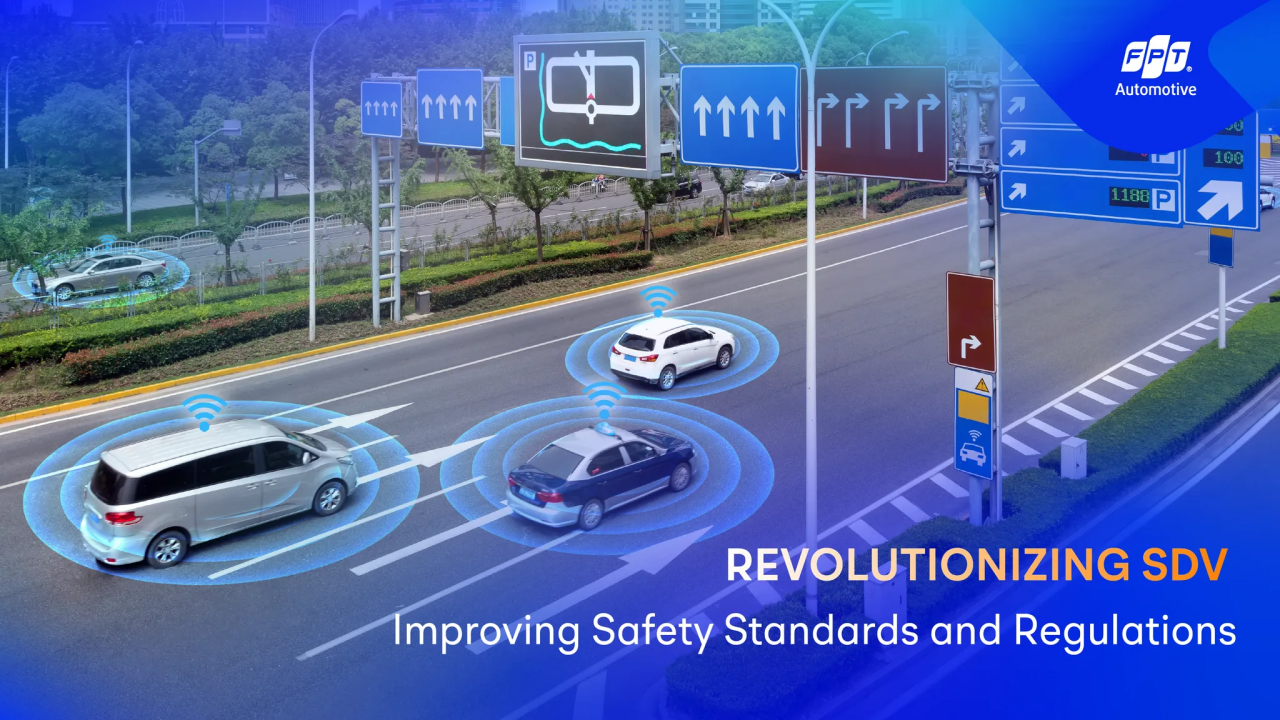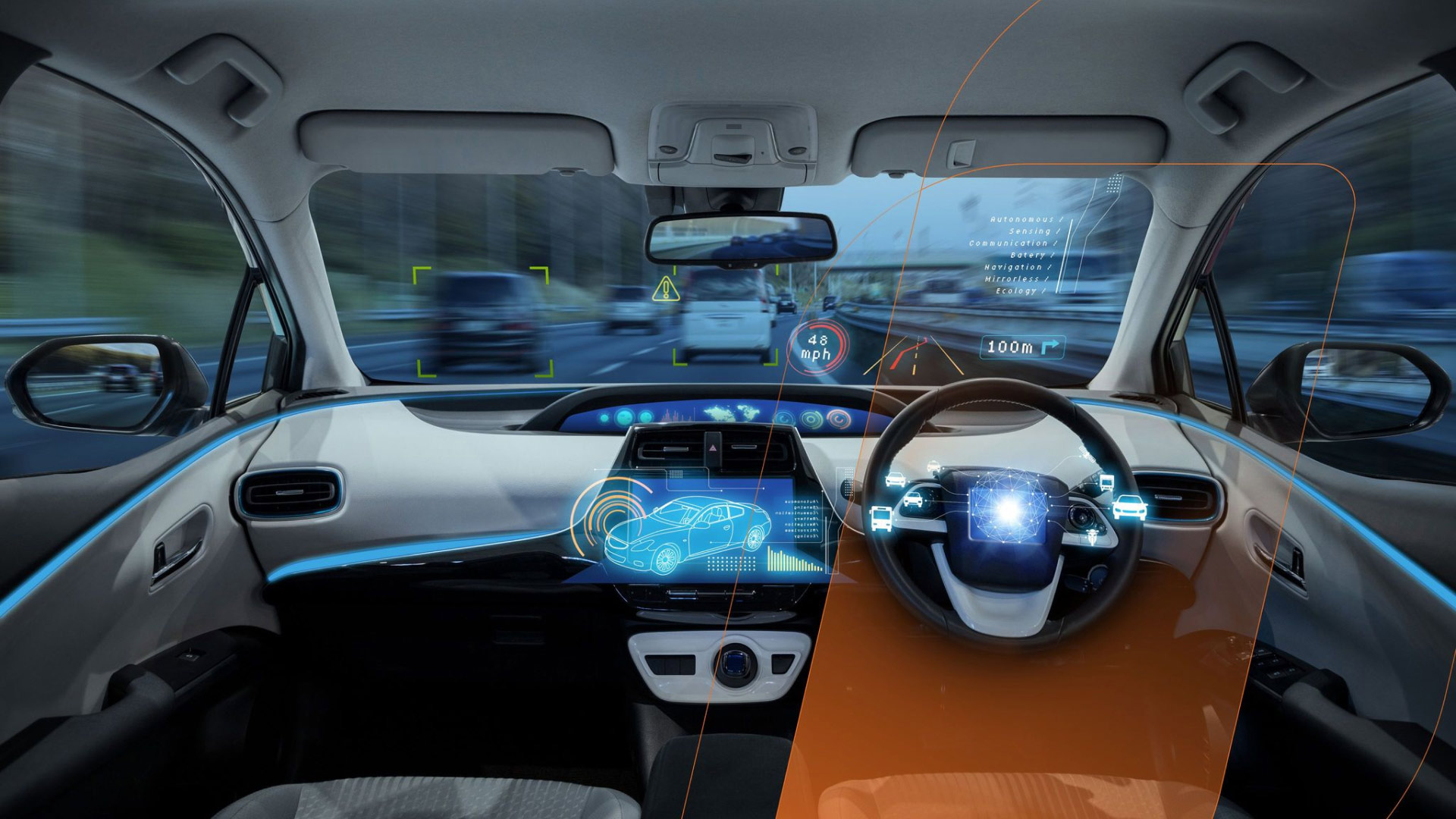


Driver Monitoring Systems (DMS) are becoming a cornerstone of modern vehicle safety, leveraging advanced technology to enhance road safety by keeping an eye on the driver’s state. These systems use a combination of cameras, sensors, and artificial intelligence to monitor the driver’s behavior and detect signs of fatigue, distraction, or impairment. As DMS technology advances, it presents both significant challenges and promising opportunities for the automotive industry.
Technology Behind Driver Monitoring Systems
Cameras and Sensors:
- Infrared Cameras: These are commonly used to monitor the driver’s face and eyes, even in low light conditions. They track eye movements, blink rates, and head position to detect signs of drowsiness or distraction.
- Steering and Pedal Sensors: These sensors track the driver’s inputs to detect erratic behavior that might indicate impairment or inattention.
Artificial Intelligence and Machine Learning:
- Facial Recognition: AI algorithms analyze facial expressions to detect signs of fatigue or distraction. Machine learning models are trained to recognize patterns associated with various states of driver impairment.
- Behavioral Analysis: AI systems analyze driving behavior over time to establish a baseline and detect deviations that might indicate a problem.
- Real-Time Data Processing: Edge Computing: DMS often uses edge computing to process data in real-time, enabling immediate responses to detected issues. This reduces latency and ensures prompt warnings or interventions.
Opportunities Presented by Driver Monitoring Systems
Enhanced Safety:
- Accident Prevention: By detecting signs of driver impairment, DMS can prevent accidents caused by fatigue, distraction, or intoxication. This has the potential to significantly reduce road fatalities and injuries.
- Real-Time Interventions: Advanced DMS can provide real-time alerts and interventions, such as activating adaptive cruise control or lane-keeping assistance, to mitigate potential dangers.
Insurance Benefits:
- Reduced Premiums: Insurance companies may offer reduced premiums for vehicles equipped with DMS, as these systems lower the risk of accidents. This can incentivize adoption among consumers.
- Accurate Risk Assessment: DMS data can help insurers more accurately assess driver risk, leading to more personalized and fair insurance pricing.
Pathway to Autonomous Driving:
- Building Trust: DMS can serve as an intermediate step towards fully autonomous driving, helping drivers become more comfortable with advanced vehicle technologies.
- Safety Redundancy: In semi-autonomous vehicles, DMS provides an additional layer of safety by ensuring the driver remains attentive and ready to take control if needed.
Regulatory Compliance and Market Differentiation:
- Meeting Regulations: As regulations around driver monitoring become more stringent, having an advanced DMS will be necessary for compliance, especially in regions like the EU where DMS are becoming mandatory.
- Competitive Advantage: Automakers that incorporate sophisticated DMS can differentiate their products in a competitive market, appealing to safety-conscious consumers.
Challenges Facing Driver Monitoring Systems
Technical Challenges:
- Accuracy and Reliability: Ensuring that DMS accurately detect all forms of driver impairment without false positives is a major challenge. False alarms can lead to driver frustration and mistrust of the system.
- Data Processing: The volume of data generated by DMS requires robust processing capabilities. Balancing the need for real-time analysis with computational limits is a complex task.
Privacy Concerns:
- Data Security: DMS collects sensitive data about drivers, raising concerns about data privacy and security. Protecting this data from breaches and ensuring it is used ethically is critical.
- Driver Consent: Ensuring that drivers are aware of and consent to the monitoring is necessary to avoid privacy infringements and build trust in the system.
User Acceptance:
- Resistance to Monitoring: Some drivers may resist the idea of being constantly monitored, viewing it as an invasion of privacy or a lack of trust in their driving abilities.
- Behavioral Adaptation: Drivers might change their behavior in response to monitoring, which can complicate the system’s ability to accurately assess natural driving patterns.
Regulatory and Legal Challenges:
- Standardization: There is a lack of standardized regulations governing the implementation and use of DMS. Developing and adhering to industry standards is crucial for widespread adoption.
- Liability Issues: Determining liability in cases where DMS fails to prevent an accident or gives a false warning can be legally complex. Clear legal frameworks are needed to address these issues.
Heading to a safely autonomous future with FPT Automotive
Driver Monitoring Systems represent a critical advancement in vehicle safety technology, offering substantial benefits in terms of accident prevention and enhanced driving experiences. However, their development and deployment come with challenges, including technical limitations, privacy concerns, user acceptance issues, and regulatory hurdles. Addressing these challenges will unlock the full potential of DMS, paving the way for safer roads and a smoother transition to autonomous driving.
FPT Automotive partners with VinAI to deliver cutting-edge Driver Monitoring System (DMS) solutions, now integrated into numerous vehicle models. Join us to confidently drive towards an autonomous future safely!

 09-12-2024