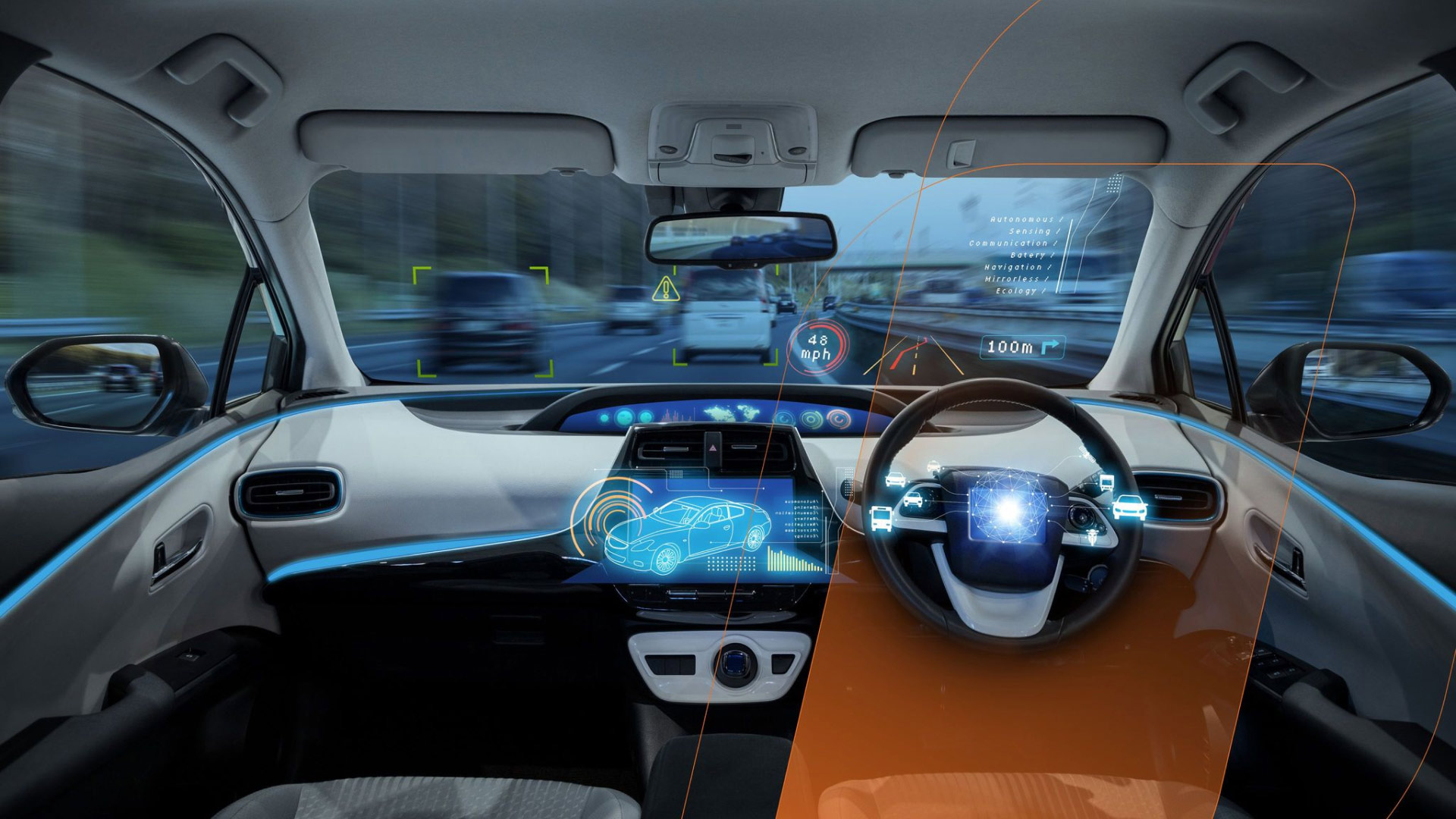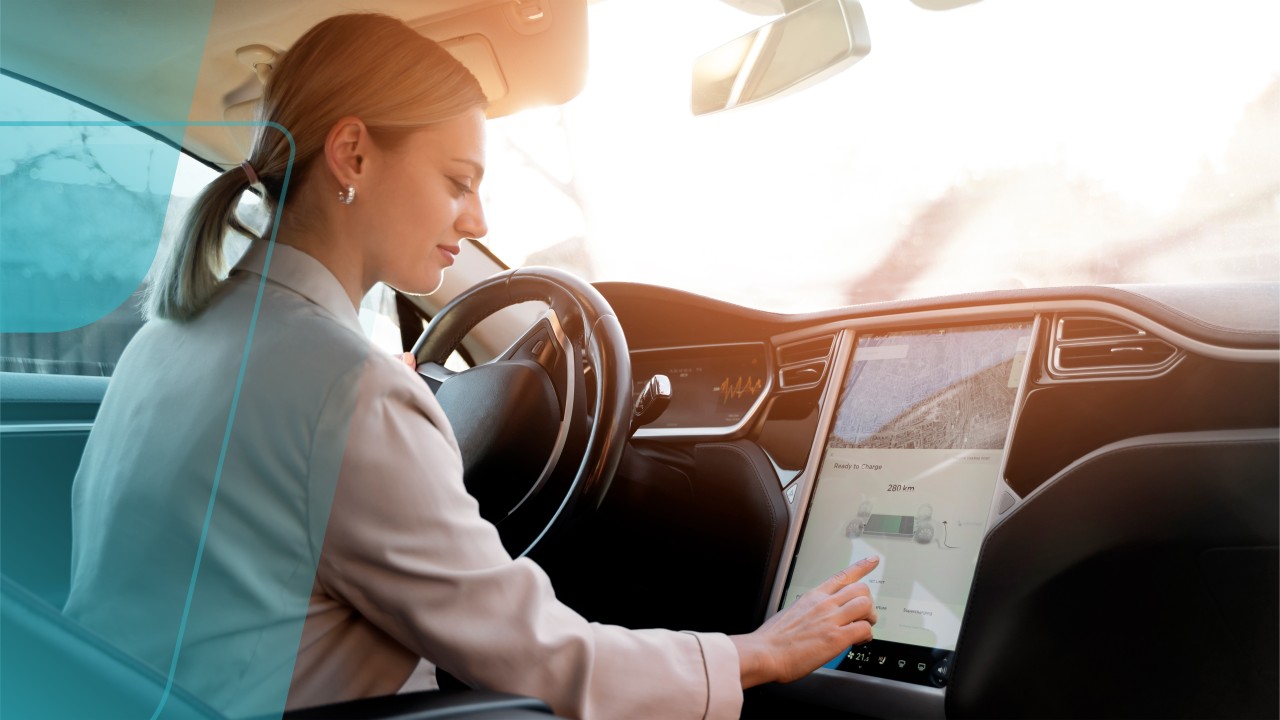

The automotive industry is rapidly transitioning from hardware-defined vehicles to Software-Defined Vehicles (SDVs), where software takes center stage in innovation. Today, software providers hold pivotal roles, rivaling traditional manufacturers. SDVs redefine vehicle performance, integrating features like advanced driver-assistance systems, over-the-air updates, and personalized experiences. This shift creates immense opportunities, transforming vehicles into adaptable, intelligent systems, and reshaping how we build, sell, and experience mobility in a connected world.
Technical Impact: A Paradigm Shift for Vehicles
Modern SDVs operate on a complex stack of technological layers, making software the driving force behind the vehicle’s intelligence.
1. Decoupling Hardware and Software
Traditionally, vehicles tied hardware and software functions together, limiting flexibility. SDVs break this dependency by using system-on-a-chip (SoC) computing hardware to run modular software systems. This enables:
– Seamless over-the-air (OTA) updates, similar to smartphone OS upgrades.
– Faster implementation of new features, such as improved driver-assistance systems or enhanced infotainment options.
2. Enhanced Driver-Assistance and Autonomous Systems (ADAS)
SDVs leverage powerful chips from companies like Intel, Nvidia, and Qualcomm to power Level 2 and Level 3 ADAS systems. For example, Mercedes-Benz’s Level 3 Drive Pilot delivers conditional autonomy, allowing drivers to focus on infotainment features while the car navigates itself under specific conditions.
3. Cloud and AI Integration
By connecting vehicles to cloud platforms like AWS or Google Cloud, SDVs enable real-time diagnostics, predictive maintenance, and advanced AI capabilities. These advancements significantly enhance vehicle performance, safety, and personalization.
Business Impact: Breaking into the New Market
The SDV revolution isn’t just technical — it’s redefining how automakers monetize vehicles, opening up entirely new business models and revenue streams.
1. A $1 Trillion Market by 2035
Analysts predict that the market for SDV software and electronics will exceed $1 trillion by 2035. Automakers are shifting from one-time hardware sales to recurring revenue through:
– Subscription services: Offering premium features like advanced navigation, infotainment, or remote diagnostics.
– Licensing technology: OEMs with proprietary software, like Mercedes-Benz’s Level 3 ADAS, can profit by licensing these systems to other automakers.
2. Collaborative Ecosystems
Developing an SDV involves mastering multiple technological layers, from the car OS (e.g., Android Auto, Apple CarPlay) to AI-driven chips. Recognizing the challenge, automakers are adopting “co-opetition”—collaborating with competitors or tech giants to develop key systems.
For example: Partnerships with Google Cloud or Nvidia allow automakers to leverage expertise in cloud computing and AI, reducing development costs and accelerating innovation.
3. Transforming Customer Experiences
SDVs enable personalized, connected experiences that integrate seamlessly with drivers’ lives.
– Smart Home Integration: Vehicles can now act as an extension of the smart home, controlling devices like thermostats or security systems.
– In-Car Payments: Drivers can pay for tolls, parking, or subscriptions directly from their vehicle interface, adding convenience while creating new revenue streams for automakers.
The Road Ahead
The rise of Software-Defined Vehicles is more than a technological shift — it’s a redefinition of mobility itself. Automakers and suppliers that invest in SDV ecosystems today will shape the road ahead, steering the automotive industry toward a smarter, more connected future.
Are you ready for the SDV transformation?

 09-12-2024